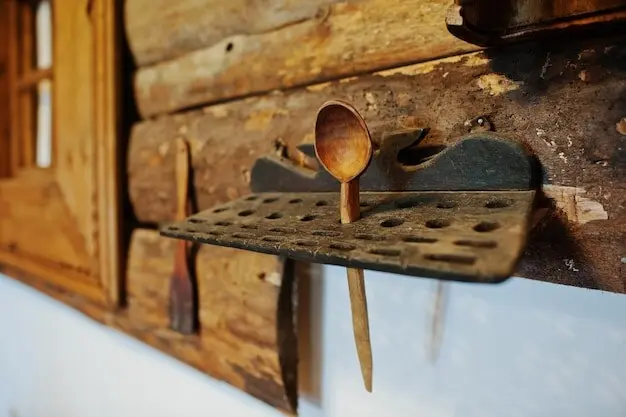


Off-Grid Mountain Cabins Shaped by Stone and Timber

Join us as we design off-grid mountain shelters using local stone and timber, balancing craft with climate realities and humble ingenuity. We will share practical methods, field notes, and small victories learned at altitude, inviting your questions, experiences, and courage to build simply and live lightly.

Reading the Mountain: Site, Weather, and Orientation

Before a single rock is stacked or a beam is hewn, the slope tells a story about sun, wind, snow, and water. We walk ridgelines, watch drifts, trace animal paths, and mark shadows across seasons. Orienting walls and windows for winter light while shielding from prevailing gusts avoids regret later. We listen for avalanche paths, thaw cycles, and spring seeps hiding under tussocks. A careful map of microclimates becomes the most valuable drawing, saving muscle, fuel, and time while gifting comfort without wires.

Sun Paths and Passive Gain

Sketching the sun's arcs for solstice and equinox guides roof angles, overhang depth, and window height, capturing low winter rays and tempering summer glare. Place mass where light lands. Even small choices here can cut battery draw, heating needs, and morning chill meaningfully.

Wind, Snow, and Shedding Loads

Flagging trees reveal wind corridors and scouring patterns that matter more than forecasts. Shape roofs to dump snow safely, align entries in lee pockets, and break gusts with landscape rather than gadgets. Listen to rattling branches at night before trusting glossy plans.

Seasonal Access Without Sacrifice

Beauty is nothing if a stretcher cannot reach. Map winter parking, avalanche closures, mud ruts, and turning radii for deliveries before foundation day. A modest sled trail, snow fencing, or a buried conduit can transform emergencies into solvable inconveniences when storms stack deep.

Stone That Stores Sunlight

Hauling short saves fuel but demands humility. Sort by size, hardness, and weathering lines to avoid shearing faces later. Ask road crews and farmers about legal piles, keep habitat intact, and always reject rocks that shelter fragile lichens or nesting creatures.
Gravity is the first engineer here. Tight faces, through stones, and well-packed hearting stop wobble, while lime mortar accommodates freeze cycles without sealing moisture inside. A small mock wall teaches more than manuals, revealing how shadows and joints invite honest craftsmanship.
Stone endures if separated from ground wicking and crowned against rain. Frost-protected gravel footings, cap stones with generous drip edges, and a hidden capillary break keep interiors dry. These invisible details save generators from powering dehumidifiers and frustration through shoulder seasons.

Selecting, Drying, and Milling

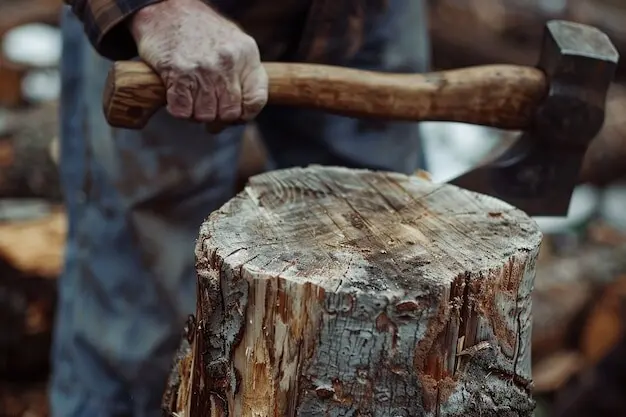
Green timber works differently from seasoned boards. Plan cuts around pith, knots, and spiral grain to steer checks where they behave kindly. Sticker stacks in mountain shade, watch moisture with a meter, and mill dimensions that respect shrinkage more than blueprints.

Joinery That Survives Weather

Details win battles against water. Chamfer end grain, lift posts on stones, kerf drip edges under sills, and vent cladding from back to front. Timber wants to move, so size pegs and housings generously, embracing motion rather than forcing brittle perfection.

Independent Power and Calm Heat

Electric lines do not reach ridgelines, so we lean on sun, water, and wood that grows within walking distance. Right-sized systems matter most: efficient fixtures, thoughtful storage, and honest habits. Solar handles lights and tools; micro-hydro hums through storms; wood heat steadies the cabin when panels sleep under snow. Each choice rewards preparation over gadgets, and every spare watt feels like a gift on long, cold mornings.

Water, Waste, and Good Air

Resilience thrives when water arrives clean, leaves harmlessly, and indoor air stays generous. Springs, rain, and snowmelt become trustworthy with careful collection and filtration. Composting toilets and greywater gardens close loops without smell. Balanced ventilation protects lungs, framing, and sanity when windows freeze, proving comfort can be responsible.

Craft, Community, and Quiet Impact

Cabins become anchors for friendships as much as shelter. A neighbor with a sawmill trades boards for help stacking hay. The mason recalls a childhood winter by the same ridge. Sharing tools, trails, and stories reduces cost and waste while building courage for the next storm.
Varozunopiralaxi
Privacy Overview

This website uses cookies so that we can provide you with the best user experience possible. Cookie information is stored in your browser and performs functions such as recognising you when you return to our website and helping our team to understand which sections of the website you find most interesting and useful.