
Carving Quiet Thunder: Hand-Tool Woodcraft Alive in the High Alps

Today we explore Hand-Tool Woodworking Traditions of the Alps, where larch and stone pine answer quietly to plane and chisel, and winter evenings stretch long enough for enduring skill to settle into the hands. From snow-dusted benches with planing stops and holdfasts to rakes, chests, sledges, and sacred carvings, this living craft binds villages, forests, and families. Join us, share your memories, ask questions, and help keep the grain running true.

Mountains That Teach the Hands

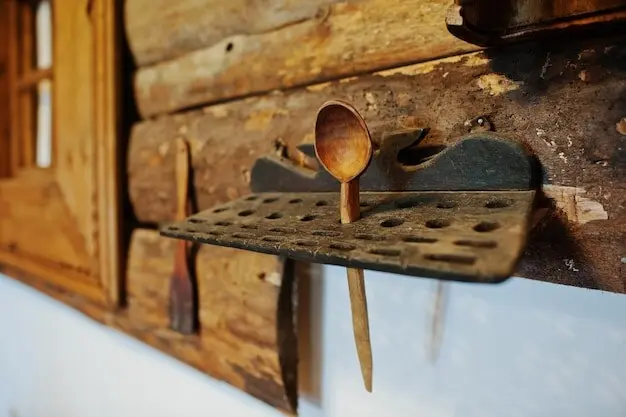
Alpine craft begins with landscape: steep pastures, narrow passes, and forests that change character with altitude. Timber must be felled thoughtfully, seasoned patiently, and carried wisely. In these conditions, quiet hand tools outshine heavy machines, inviting deliberation, neighborly help, and a rhythm of making that respects weather, wood, and the strong, slow heartbeat of the valleys.

Trees Above the Cloudline

Spruce offers straight, forgiving fibers for soundboards and shingles, while larch resists weather with resinous strength. Swiss stone pine, soft and fragrant, carves crisply for bowls and reliefs. Beech from lower slopes becomes tough tool handles and rake heads. Choosing well means learning slope, wind, and ring width, then matching each board’s temperament to purpose and patient hands.

Winters That Shape Patience

When passes close and roofs groan with snow, workshops glow. Tasks expand to fill the quiet: truing joinery, carving ornaments, fitting pegs, mending sledges. Children sweep curls and watch. Grandparents tell stories of avalanches avoided by careful planning. Winter demands slowness, guaranteeing seasoned boards, straightened rakes, and furniture built for more than one hurried season.

Benches, Blades, and the Calm Rhythm of Work
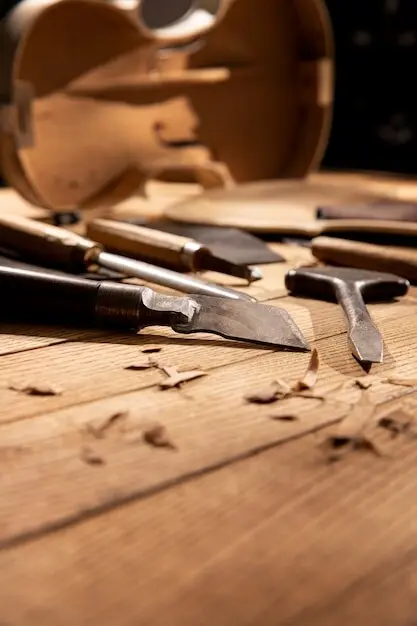
Continental benches anchor effort: leg vise hugging posts, planing stop catching boards, dogs and holdfasts gripping like friendly iron hands. Horned wooden planes sing on long strokes. Sharpening keeps conversation gentle and edges eager. The shop breathes: push, check, whisper, push again. Every shaving pulled is a small, convincing argument for attention instead of haste.

Drawbored Tenons Holding Without Metal

Offset holes and green pegs create a self-clamping promise. As the peg dries, shoulders cinch tighter, barns sigh, and sled runners refuse to wriggle. Repair is simple: new peg, fresh offset, renewed confidence. This approach trusts geometry, seasonal movement, and time, reducing reliance on distant forges and keeping structures friendly to future caretakers who inherit practical wisdom.

Dovetails and Boxes for Clothes, Grain, and Hope

Tapered dovetails grip chests that travel marriages, migrations, and mountain errands. Pins grow slimmer where strength is doubled by grain; tails widen obediently to mechanical sense. Interiors smell of stone pine, lavender sachets, or dry rye. Paint and chip carving tell family histories. Lift a lid and you’ll hear footsteps across snow, promises, and careful, interleaving geometry.

Useful Beauty for Pastures and Hearth

Rakes, forks, milking stools, cheesemaking forms, butter paddles, sledges, and shingles arise from days spent outdoors and nights by the stove. Surfaces are shaped for touch, weight is considered for hills, and decoration sneaks in where the hand rests. These objects wear dignity, earning polish from seasons of hay, thaw, and the soft, persuasive language of effort.

Rake Heads, Forks, and the Hayfield’s Quiet Tools

Rake heads from beech or maple balance lightness with resilience; ash makes forgiving tines that snap less and breathe with a swath. Mortises angle deliberately, letting grass ride the teeth instead of clumping. A drawknife refines shoulders; a spokeshave softens touch points. By sunset, tools lean against a fence, radiating usefulness and carrying the day’s meadow scent.

Milk, Cheese, and the Cooper’s Gentle Geometry

Dairies rely on watery-tight staves, chamfered just right, cinched by wooden hoops that flex with seasons. Cheese molds imprint patterns that broadcast valley identity. Lids float to avoid trapping pressure. A cooper’s success is silent: no drips beneath candlelight, no sour notes in a wheel, only smooth seams, round truth, and breakfasts that remember yesterday’s careful assembly.

Shingles, Sledges, and the Downhill Path Home

Split shingles shed storms better than sawn ones, following grain like fish follow currents. Sledges, laminated or steam-bent, steer hay, firewood, and children with equal grace. Iron sparingly reinforces hard-worn noses. Waxed runners sing on packed snow; joints whisper cooperation. Returning home, cheeks spark and hands tingle, proof that craft and terrain have negotiated respectful companionship.
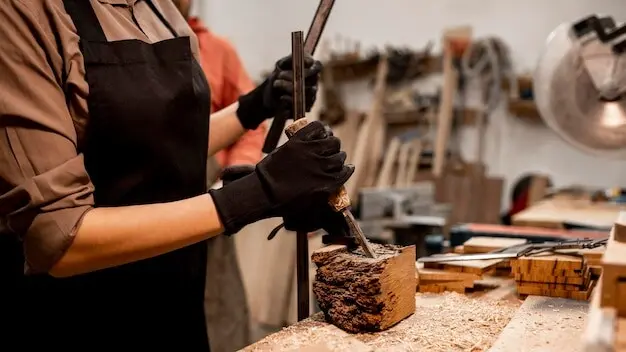
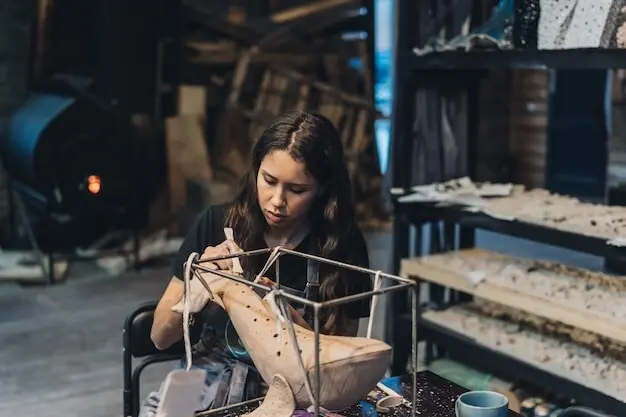
Carving Faith, Folklore, and Play

Paths of Apprenticeship and Memory

Journeymen Crossing Passes with Stamped Books

A bundle on the shoulder, a bench hook in the pocket, and letters of introduction tucked dry near the heart. Each town adds a stamp, each shop a trick: wedging chairs without glue, coaxing knots to behave. Snow delays become lessons. Eventually, returning home, the new master carries mountains inside, no longer intimidated by distance, only energized by possibility.

Kitchen Lessons, Family Jigs, and Quiet Corrections

Across a scrubbed table, patterns cut from cardboard outlast tools bought in haste. A mother’s spoon grip saves wrists; an uncle’s fence for a plow plane stays straight on uneven edges. Feedback is precise, not cruel, arriving with soup and bread. These domestic universities eliminate waste, multiply confidence, and make every shelf, box, and ladder a communion of voices.

Markets, Processions, and the Meeting of Makers

At harvest fairs and cattle drives dressed in flowers, craftsmen trade not only goods but timing: when to fell, when to split, when to leave well enough alone. Demonstrations gather children; elders share tools for testing grain. If you have a question, ask. If you have a story, tell it. Community is the most reliable clamp ever invented.

Keeping the Grain Honest Today

Forests need stewards, not merely users. Small mills, selective felling, and local drying yards honor both hillside and craft budgets. Contemporary teachers, videos, and traveling workshops reweave old knowledge into present schedules. Start simply, share generously, and subscribe for field notes, patterns, and meetups. Your first true shaving can begin this weekend and echo for decades, kindly.

Choosing Local Timber with Careful Eyes

Seek straight grain, tight rings at altitude, and knots placed where they will strengthen rather than weaken a tool. Touch end grain; listen for brightness. Buy from foresters who walk, not bulldoze. Air-dry under cover, patiently. Keep a notebook of boards and uses. Good selection slows mistakes, respects budgets, and transforms the workshop from struggle to steady conversation.

Contemporary Makers Reviving Old Quiet Skills

From Bregenzerwald to South Tyrol, makers teach frame saw building, wooden plane tuning, and rake head mortising. Many share progress online without ego, inviting critique and camaraderie. Attend a course, swap a jig design, or offer a spare blade. Revivals thrive when we show up, ears open, ready to practice until the bench hums with honest, repeatable results.
Varozunopiralaxi
Privacy Overview

This website uses cookies so that we can provide you with the best user experience possible. Cookie information is stored in your browser and performs functions such as recognising you when you return to our website and helping our team to understand which sections of the website you find most interesting and useful.