
Colors From the High Country: Natural Dyeing with Alpine Flora for Handspun Wool

Step into crisp mountain air and steaming dye pots as we explore natural dyeing with alpine flora for handspun wool, celebrating careful craft and resilient landscapes. We’ll balance tradition and science, protect fragile habitats, and unlock color through patient preparation, thoughtful mordanting, and respectful foraging, sharing stories that make every skein feel like a sunrise above the ridge and an evening glow across weathered stone.

Preparing Handspun Wool for Mountain Colors
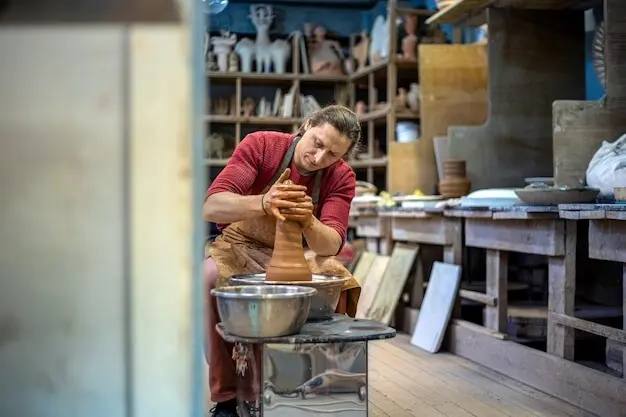
Lovingly spun fibers deserve a gentle path from fleece to dyed heirloom. We’ll discuss scouring that preserves bounce, mordanting that supports saturated hues, and temperature control suited to high-altitude simmering. With a careful workflow and notes you trust, every strand carries strength, luster, and readiness to welcome alpine botanicals without shrinking, felting, or losing the twist that your hands patiently built.

Gentle Scouring Without Felting

Begin with lukewarm water and a mild, dye-safe detergent, letting the wool relax rather than agitate. Avoid sudden temperature shifts, squeezing, or swirling that can tangle scales. Rinse equally gently, supporting skeins with both hands. Hang or lay flat with even weight. This unhurried approach preserves loft, prepares fibers to bond with color, and sets the stage for consistent, luminous results in the dyepot.

Accurate Mordanting with Alum and Cream of Tartar

Measure by weight of fiber to remove guesswork: alum around ten to fifteen percent WOF and cream of tartar at five assists softness and brightness. Dissolve fully, strain, and keep the bath just below a simmer. Let skeins soak unhurriedly, then cool slowly in the pot. This foundation encourages fastness, clarity, and harmonious layering when you later introduce birch leaves, goldenrod blossoms, larch needles, or alder cones.

Dedicated Tools, Ventilation, and Safety Basics

Reserve pots, spoons, and strainers for dyeing only, never for food. Work in a ventilated area, label containers clearly, and wear gloves to protect skin. Avoid copper or chrome mordants due to toxicity, favoring alum and gentle iron modifiers instead. Keep a spill kit nearby and children or pets at a safe distance. Respectful practices protect you, your materials, and the beautifully wild places that inspire your palette.

Ethical Foraging Above the Tree Line

Color found in high meadows asks for humility and restraint. Learn plant identification, rules that safeguard fragile slopes, and alternatives like garden-cultivated or purchased botanicals. Harvest only what’s abundant, take minimal amounts from multiple plants, and leave roots behind. Photograph first, pick last. With permits where required and Leave No Trace habits always, your colors will carry integrity alongside beauty, honoring future hikers, shepherds, and curious children.

Confident Identification of Dye-Friendly Alpine Plants

Train your eyes before you gather. Study field guides for birch leaves promising bright yellows, goldenrod sprays with sunny warmth, wind-fallen larch needles for soft golds, alder cones for earthy browns, and walnut husks in valley orchards yielding deep chestnuts. Cross-check features, smell gently, and confirm habitat. When uncertain, take a photo and ask local experts rather than risking harm, disappointment, or accidental harvesting of protected species.

Respect for Protected Species and Fragile Habitats

Some alpine icons—edelweiss, arnica, and many lichens—are not for baskets. Admire them, learn their stories, and let them stand. Focus on plentiful materials, windfall, and prunings. Harvest along established paths to minimize trampling, scatter clippings, and replace stones gently. When snowfields retreat, avoid muddy meadows that scar easily. Your restraint becomes a quiet dye assistant, guarding delicate communities so they endure long after your skein dries.

The Peak Palette: Yellows, Greens, and Earthy Browns
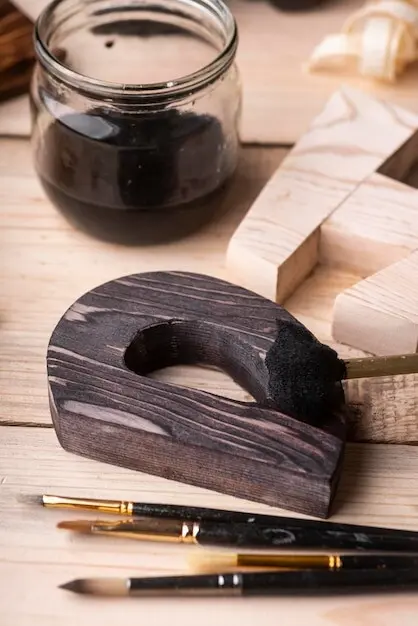
Alpine flora offers a grounded, luminous spectrum when paired with mindful mordants and thoughtful modifiers. Expect golden sunlight from leaves and blossoms, forest-shadow greens with iron, and bark-inspired browns from cones and husks. Shift pH gently, layer colors in patience, and record exact conditions. In these restrained yet compelling hues, handspun texture sings, telling stories of altitude, mineral water, and the hush that follows a mountaintop breeze.

Sunlit Yellows from Birch, Goldenrod, and Larch Needles
Simmer birch leaves or goldenrod heads below a boil to coax luminous yellows that flatter lofty textures. Wind-fallen larch needles lend softer straw tones. Use alum for clarity and cream of tartar for hand, then dip-test mini skeins. Extend extraction time for depth, or split the bath for layered shades. These colors feel like alpine noon—crisp, clean, and quietly radiant across garter ridges and handspun halos.

Deep Browns from Walnut Husks and Alder Cones
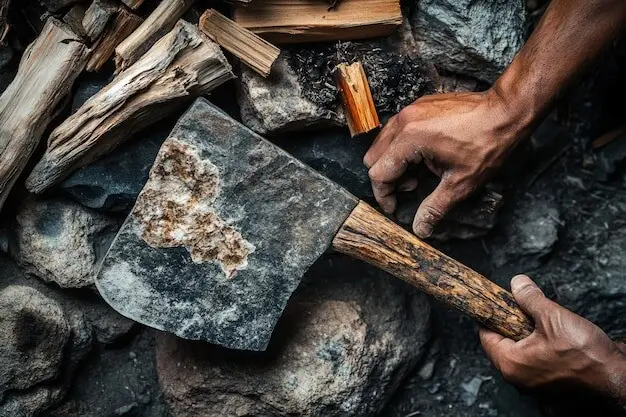
Green walnut husks steeped patiently deliver rich browns with excellent lightfastness, while alder cones create smoky, bark-like depth. Pre-soak in rainwater overnight, strain carefully, and keep heat low to protect wool integrity. Add a touch of iron to darken, or blend with yellow-dyed skeins for olive ranges. The resulting tones echo timberline cabins, weathered fence posts, and evenings when shadows lengthen across boulder-studded trails.

Iron Modifiers for Mossy Greens and Smoky Grays
A mild iron bath, created from rusted nails soaked in vinegar and diluted generously, can transform fresh yellows into moss greens or mute bright notes into misty grays. Always proceed cautiously, testing a small strand first. Limit exposure time to preserve softness, rinse thoroughly, and condition gently afterward. Used sparingly, iron adds mountain depth, suggesting shaded gullies, lichened stones, and the hush beneath conifer canopies after rain.

High-Altitude Dye Kitchens and Portable Setups

Stories Woven into the Yarn

Colors matter more when they carry a day’s cadence—the crunch of shale under boots, a marmot’s whistle, rain tapping tent canvas. These small narratives live in wool. A scarf from a single valley can hold generosity, patience, and restraint. Sharing mishaps and triumphs keeps knowledge alive, reminding us that craft deepens when kindness leads and the mountain’s tempo, not our hurry, sets the pace for beauty.

Advanced Methods for Adventurous Dyers
When basics feel friendly, expand through sun-driven extraction, gentle iron overdips, and layered color that evokes granite, meadow, and cloud shadow. Explore ethical approaches to lichen hues by using only windfall fragments or cultivated alternatives, or choosing botanicals that mimic the effect. Every experiment rests on safety, respect, and curiosity, letting you chase nuance without sacrificing the living beauty that first invited you uphill.

Solar Dyeing Beneath Clear Alpine Skies
Pack a glass jar, pre-mordanted minis, and plant material, then let sunlight coax color over days. Temperatures stay gentle, protecting wool and enhancing clarity. Rotate jars each morning, noting cloud cover and elevation. Solar methods save fuel, fit campsite rhythms, and deliver unusually luminous yellows and soft browns. The slow reveal, day after day, teaches patience and offers a quiet ritual that pairs perfectly with dawn coffee.

Responsible Lichen Color: Patience, Alternatives, and Care
Many lichens grow painfully slowly and deserve protection. If you pursue purples or grays, rely on windfallen scraps, local guidance, and very small trials, or choose botanical stand-ins and commercial extracts sourced responsibly. Ammonia fermentation requires careful ventilation, labeling, and restraint. Often, birch overdyed with light iron yields moody grays that honor the look without harming living crusts. Let ethics shape your palette as proudly as beauty does.

Share, Learn, and Grow Together

Your voice strengthens this craft. Post swatches, compare water sources, and trade tiny skeins tagged with plant, place, and process. Ask questions, generously answer others, and subscribe for new field notes, recipes, and seasonal palettes. Suggest trails worth exploring, cabins with steady stoves, and safer substitutes when plants are scarce. Together we keep the mountains vibrant in yarn, while protecting every slope that shaped our favorite colors.
Varozunopiralaxi
Privacy Overview

This website uses cookies so that we can provide you with the best user experience possible. Cookie information is stored in your browser and performs functions such as recognising you when you return to our website and helping our team to understand which sections of the website you find most interesting and useful.